Losing your home, or living in fear of eviction, is a traumatic event that impacts both physical and mental health.
At UHN, emergency department teams often meet patients whose health crisis has put their housing in jeopardy. Illness, injury or a temporary loss of income can make it impossible to pay rent, pushing already vulnerable individuals toward eviction.
In recognition of the critical connection between housing and health care, UHN’s Gattuso Centre for Social Medicine has introduced Canada’s first hospital-based homelessness and eviction prevention program. By intervening early, the fund helps patients focus on recovery and maintain continuity as part of their medical care.
The role of social medicine
UHN’s innovative Social Medicine Program recognizes that health outcomes are shaped not only by medical treatment but also by social conditions such as housing, income and access to community supports. The Eviction Prevention Fund addresses homelessness and eviction by using donations to pay off eligible UHN patients’ rent arrears or to pay first and last month’s rent so a patient can access housing, providing housing stability and a better chance to heal.
Launched with a $1 million donor-led investment, the fund was created in response to a worsening homelessness crisis and decades of research linking evictions to poorer health outcomes.
By integrating housing support into patient care, hospital teams are able to intervene at critical moments when patients are at risk of eviction or homelessness. This early action helps patients remain focused on recovery, maintain continuity of care and avoid crisis-driven health care use.
A complementary approach to a housing crisis
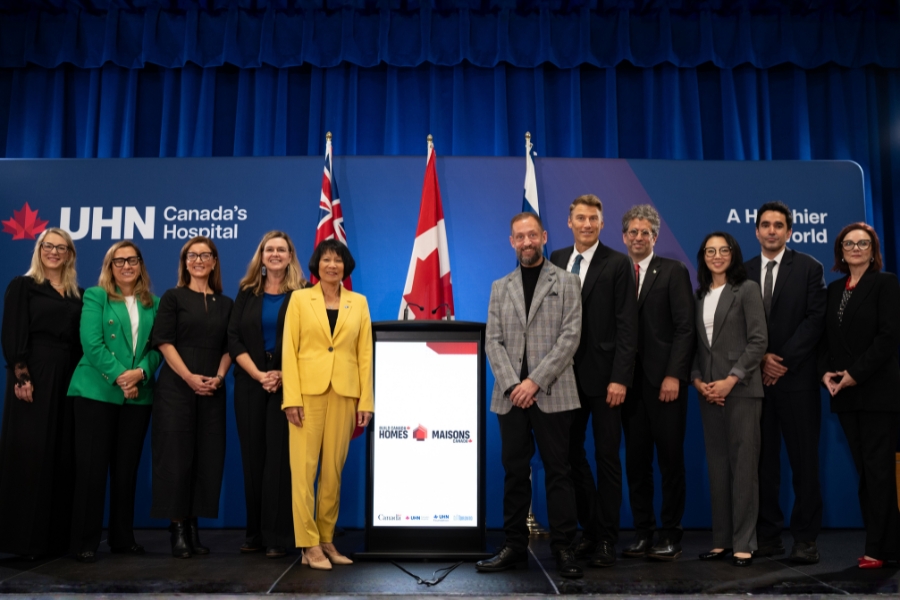
The City of Toronto highlighted UHN’s program during the recent announcement of an unprecedented increase to Toronto’s Rent Bank, which provides grants to help families pay rent, cover arrears or secure a new home. Mayor Olivia Chow’s 2026 budget allocates $10.8 million to the program, supporting 2,800 families, nearly double the total since she took office in 2023. The budget also funds eviction prevention for 1,100 households through case management (Eviction Prevention in Community program) and rent subsidies via the Canada Ontario Housing Benefit, bringing the total supported across these programs to nearly 4,500 households.
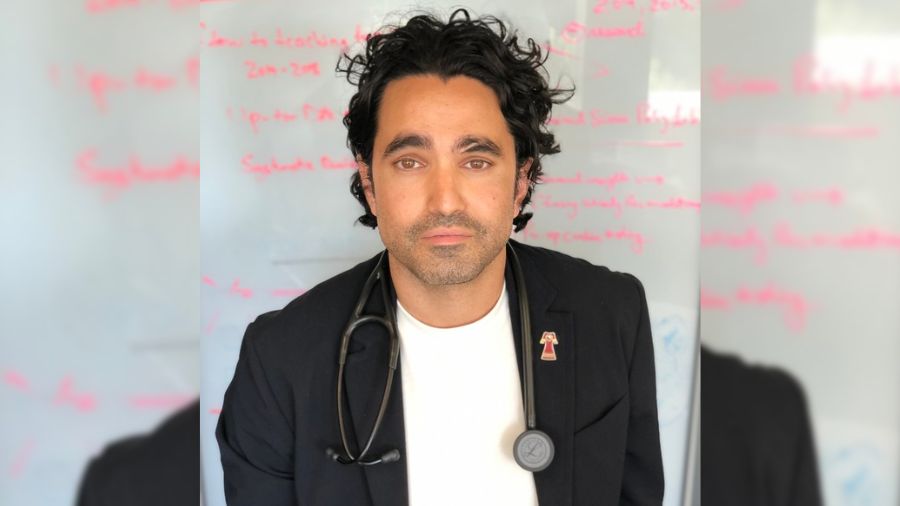
Dr. Andrew Boozary, Executive Director of the Gattuso Centre for Social Medicine, points to the City’s investment as evidence of a growing recognition that stable housing is essential to protecting health.
“With the incredible support of donors, UHN launched a hospital-based eviction prevention program, treating housing stability as preventive health care,” said Dr. Boozary. “By expanding access to rent relief, the City of Toronto is taking an evidence informed step that will keep people housed, reduce strain on our health system and improve health outcomes across the city.”
While the City’s Rent Bank provides broad, community-based assistance, UHN’s Eviction Prevention Fund addresses housing risk identified directly through patient care. Patients are identified by Peer Support Workers and Community Health Workers embedded within clinical teams who work closely with individuals facing complex social and health challenges. The Fund offers short-term, targeted support for patients at immediate risk of eviction.
Together, these approaches help ensure that patients whose health and housing needs intersect are not left without options at a critical point in their care.
Addressing housing instability as preventive care
UHN’s approach to housing as a key element of health care reflects a long-term commitment to supporting patients at different points of need.
In 2024, UHN opened Dunn House, Canada’s first hospital-led supportive housing initiative. Located in Toronto’s Parkdale area, Dunn House provides accessible, safe and affordable housing with on-site health and social supports for 51 socially and medically complex patients who are frequent users of hospital services. A recent announcement by UHN and the federal, provincial and municipal governments marks a significant expansion of this work. Dunn House Phase 2 will add 54 new rent-geared-to-income units for at-risk seniors. This builds on the progress achieved at Dunn House and reflects UHN’s commitment to treating housing as a core part of health care, improving outcomes and reducing avoidable emergency visits.
These projects were made possible through the generous support of donors and have catalyzed broader investment and collaboration from other funding partners, including all levels of government.
With continued donor support, UHN is delivering innovative housing solutions and reshaping how housing and health care intersect. This work is building a more stable, health‑focused system that keeps people housed, supported and better able to recover while reducing pressure on emergency services.

No one ever changed the world on their own but when the bright minds at UHN work together with donors we can redefine the world of health care together.