When you or your loved one starts to experience symptoms of a life-altering disease, it can be a scary time. From conditions like vision loss to Parkinson’s disease to arthritis, the team at University Health Network (UHN) is there for you every step of the way.
At Krembil Brain Institute’s Movement Disorders Program at UHN, our clinicians are working everyday to better understand how illnesses, like Parkinson’s disease, affect the body. This can help them to not only recognize the condition, but also develop working therapies for those who need it most!
We sat down with Dr. Susan Fox, a UHN expert in Parkinson’s disease. Thanks to your support, Dr. Fox has been able to continue her search for new Parkinson’s disease treatments.
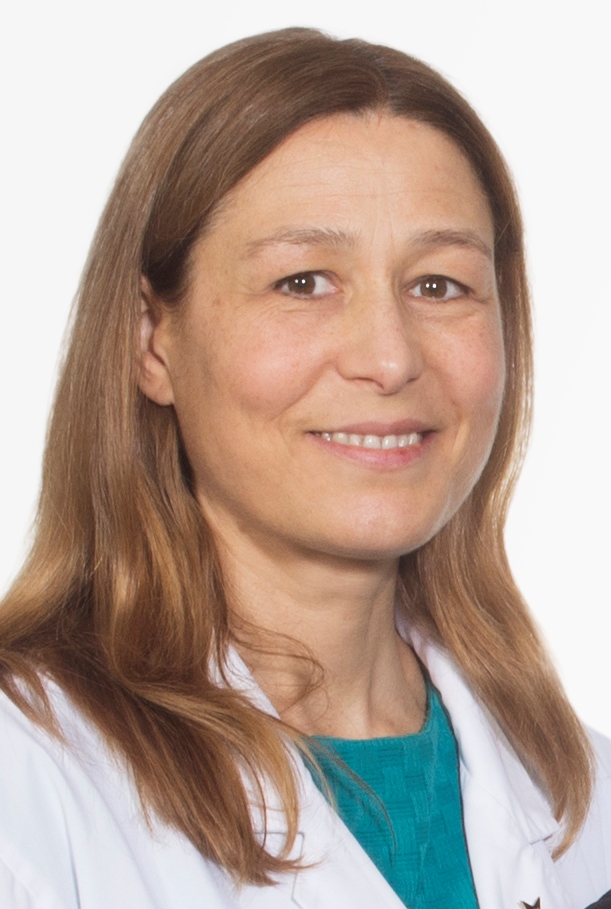
We asked her about what sorts of things patients and their families experience, as well as some common misconceptions about Parkinson’s disease.
For those who aren’t familiar with Parkinson’s disease, could you first explain what the condition is?
Dr. Fox: Sure! Parkinson’s disease is an illness most often associated with uncontrolled movements and shaking, what we broadly refer to as tremor. There can be other symptoms, but the tremors are usually what people connect with the disease.
Why is Parkinson’s disease such a worrying condition to be diagnosed with?
Parkinson’s disease can impact a person’s quality-of-life, which is connected with how they function day-to-day – so things like walking around the house or their ability to go outside and get the mail or groceries, or even to see their friends. It could also influence with how they feel about themselves and their confidence.
While we focus on managing a patient’s symptoms, it’s also important for us to keep an eye on how they’re functioning and how they’re feeling so they can continue to live their life to the fullest, regardless of their diagnosis. This is something that family can really help with because they see their loved one regularly and can inform us of any changes in their behavior.
That sounds like it can be a difficult thing to hear that they’re diagnosed with this disease.
It certainly can be. But we also want to remind our Parkinson’s patients that they’re in good company! Celebrities like Back to the Future actor, Michael J. Fox, as well as the late boxing legend, Muhammed Ali, and the late singer, Ozzy Osborne, are amongst some of the famous names who were diagnosed with the disease.
Even after his diagnosis at the age of 29, Michael went on to become a global advocate for the awareness of Parkinson’s disease and launched the Michael J. Fox Foundation, a charity focused on the condition.
In Season 3 of the show “Shrinking”, Harrison Ford chats with another character who also has Parkinson’s disease (played by Michael J. Fox). Michael’s character mentions “hallucinations” where he thinks he sees Halle Berry. Is this a common symptom?
Yes, hallucinations can be a common symptom for Parkinson’s disease, where a patient might see things visually – such as people, animals or shadows. Hallucinations can also be experienced through other senses, like hearing or smell.
While these are a symptom of the disease, it’s important that patients and their family don’t see it as something they have to just deal with. If they experience hallucinations or any other symptoms, it’s important that they speak with their care provider so they can get the proper treatment.
Is there anything patients could do to help other individuals with Parkinson’s disease?
Absolutely. We’re very grateful for the trust that patients and their families put us for their care. That being said, we do have an opportunity for patients with Parkinson’s disease to provide valuable information about their experience called the “Patient Advisory Board”. It’s essentially a group of patients who work with our Parkinson’s disease experts at UHN so we can understand what works and what doesn’t.
Each patient has a unique combination of symptoms and might respond differently to treatments. But there’s a chance down the road that someone with your exact symptoms could walk through our doors. The information you provide now could help someone five – ten – twenty years into the future! Every patient we treat provides us with a little more information about the illness.
Thank you so much for taking the time to chat with us today!
Thank you!

No one ever changed the world on their own but when the bright minds at UHN work together with donors we can redefine the world of health care together.