6 tips from one of UHN’s chronic pain experts
Shovelling.
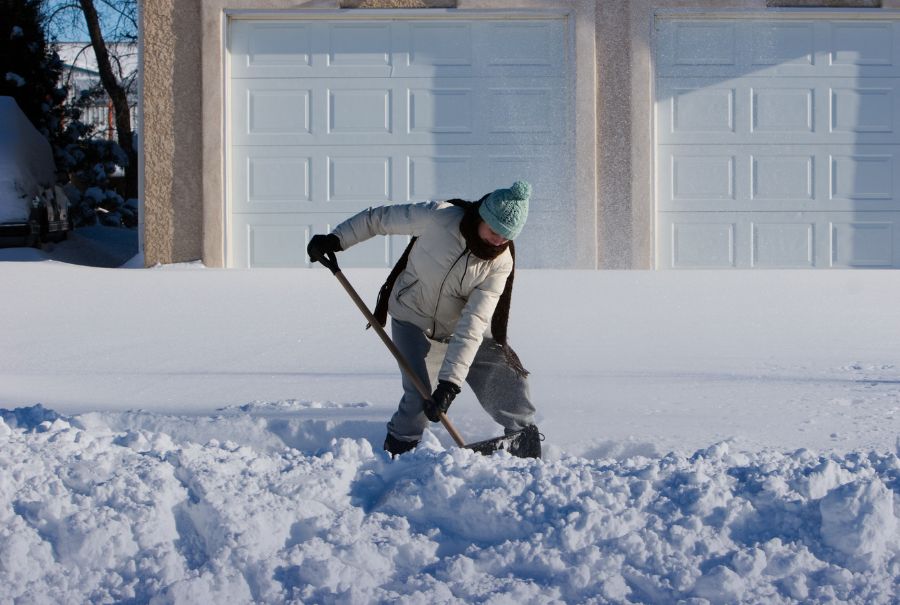
For many Canadians, this winter chore seems like a rite of passage. Although the first snowfall of the season brings a magical blanket of white, it’s often followed by the inevitable routine: boots on, jacket zipped, hat pulled down, mitts snug around fingers, shovel in hand. Time to clear the driveway.
It seems simple enough: Step one: grab the shovel. Step two: remove the snow.
But this seemingly harmless chore could lead to injury, or even a trip to the emergency room.
Every year, thousands of Canadians are injured while shovelling snow. Muscle strains, knee injuries, broken bones, and in some cases, heart attacks. Shovelling snow is more than something to cross off the to-do-list. It’s a serious exercise.
Dr. Andrea Furlan, Physician and Senior Scientist at UHN’s Toronto Rehab, has seen these injuries firsthand. She’s debunking common myths and sharing tips to keep you safe this winter.
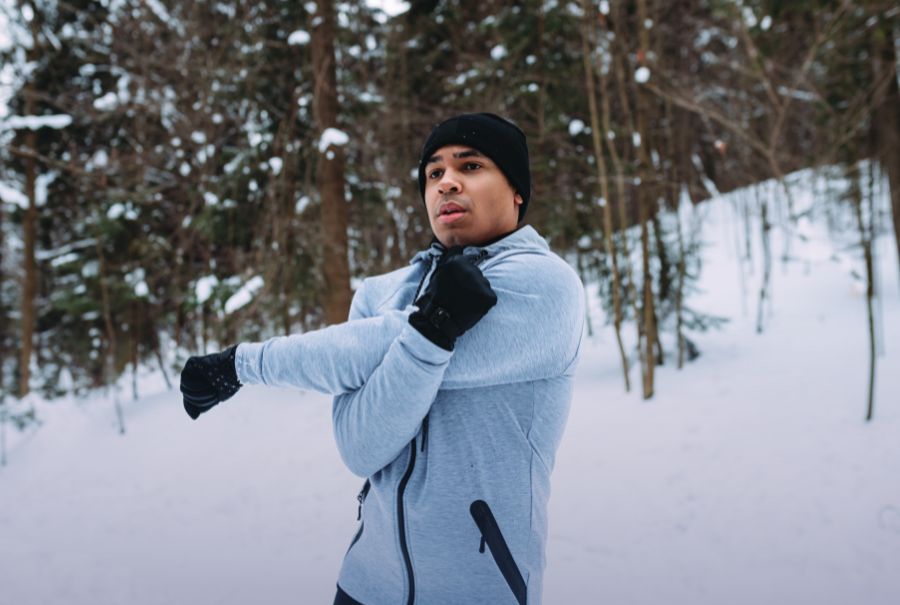
Tip 1: Shovelling isn’t an Olympic sport, but you still need to warm up
While you may not be going for gold this season, preparing your body for shovelling begins before the snow even hits the ground. Like any other workout, you need to condition your muscles. Stretch, strengthen your back and core and keep an active lifestyle to prepare.

Tip 2: Prepare for some soreness
If your muscles aren’t conditioned, shovelling can lead to DOMS (delayed onset muscle soreness), lasting 24–72 hours after you’ve come in from the cold. A little soreness after the first shovel of the season can be normal, but conditioning is key.
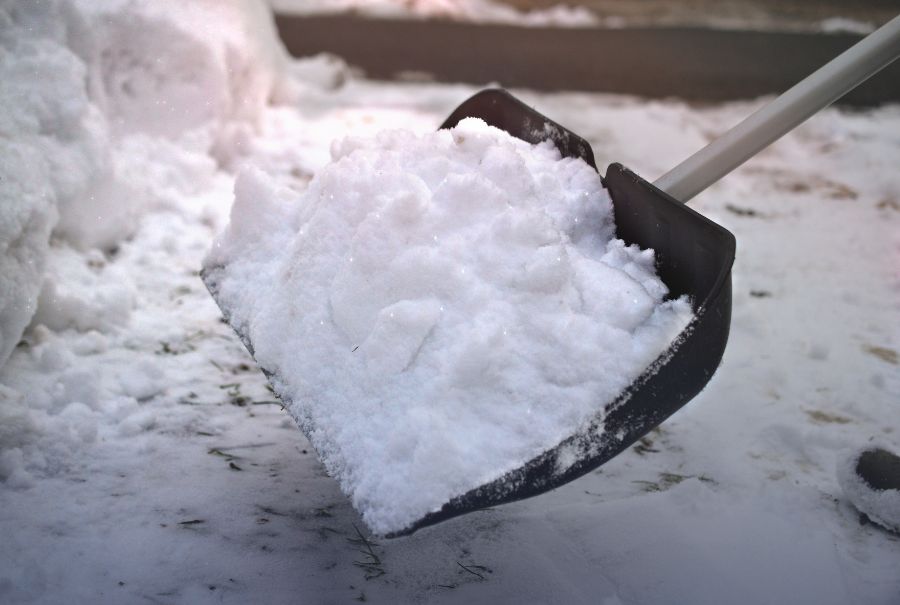
Tip 3: Bigger the shovel, bigger the risk
Contrary to popular belief, bigger isn’t better when it comes to shovels. Heavier loads increase your risk of muscle strain and injury. Opt for a smaller shovel and take your time. If you do own a larger shovel, don’t fill it all the way. Take smaller loads.

Tip 4: Don’t twist — turn
Avoid twisting your back when adding to that snow pile. Instead, pivot (cue that infamous Friends episode) with your whole body. This is especially important for people with osteoporosis, as twisting can increase the risk of spinal fractures.
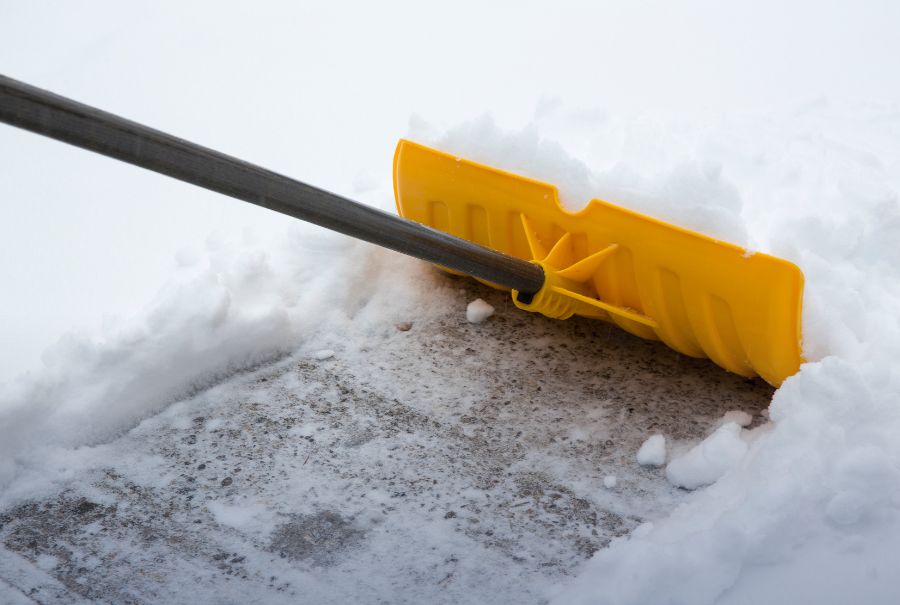
Tip 5: Push, don’t scoop
Save scooping for ice cream. When shovelling snow, it’s safer to push the snow forward instead of lifting and throwing. Clear a path so you can push instead of scoop.

Tip 6: Slow and steady wins the race
We know you want to get back inside to that warm cup of cocoa, but pacing yourself is key. Take a break every 15 minutes. Hydrate, stretch and then get back to it. A few extra minutes can prevent an injury that lasts a lifetime.
Bottom line: Shovelling is hard work. Treat it like exercise. Prepare, pace yourself and protect your health. Follow these tips, share them with friends and family and help prevent injuries this winter.
Thanks to the generosity of our donors, UHN experts like Dr. Furlan can continue leading research and education that helps Canadians live safer, healthier lives all season long.
For more tips on injury prevention and managing chronic pain, follow Dr. Furlan on Instagram. And be sure to leave a comment on her page if you try these tips!

No one ever changed the world on their own but when the bright minds at UHN work together with donors we can redefine the world of health care together.