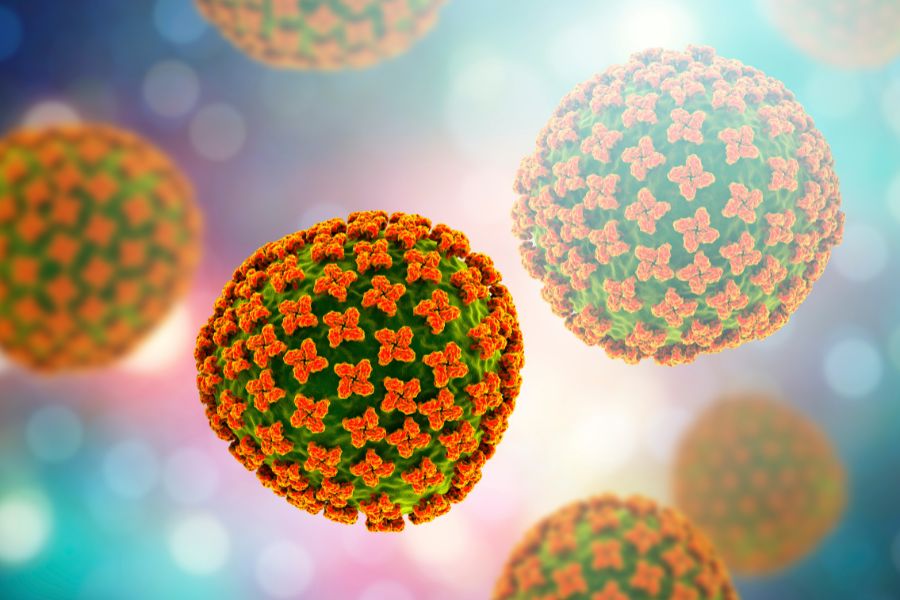
Hantavirus has been top of mind in global health news – is it really as scary as it seems? We talked to Dr. Susy Hota, Division Head of Infectious Diseases at University Health Network (UHN) and Sinai Health, and Medical Director of Infection Prevention and Control at UHN, to learn more about hantavirus and understand the real story behind the headlines.

What is hantavirus?
Hantaviruses are a group of viruses carried by rodents such as rats, mice and voles. Humans can become infected when they inhale virus particles from contaminated rodent droppings, urine or saliva that become aerosolized. In rare cases, infection can also happen through contaminated food, water or rodent bites. Once in humans, these viruses can cause serious illness.
Why has hantavirus been in the news recently?
A recent outbreak linked to the cruise ship MV Hondius brought renewed attention to hantavirus. While events like this can raise concern, the overall risk of widespread transmission remains low.
Could hantavirus cause a pandemic?
Based on what we know, hantaviruses would not cause a pandemic. Unlike viruses such as COVID-19, they do not spread easily between people and do not mutate rapidly. Their transmission is primarily linked to rodent or environmental exposure rather than person-to-person spread.
Can hantavirus spread from person to person?
Human-to-human transmission is rare. It has only been documented in a small number of instances involving the Andes species of hantavirus, and typically only after close, prolonged contact. There is no evidence that the Sin Nombre virus, which is they species of hantavirus found in Canada, spreads between people.
What are the symptoms associated with hantavirus infection?
Symptoms typically appear between one and six weeks after exposure, most often within two to three weeks. Early symptoms can include fever, muscle aches and headaches. As the illness progresses, patients may develop gastrointestinal symptoms, coughing and shortness of breath. In severe cases involving the species of hantavirus circulating in North and South America, it can lead to respiratory failure, heart complications or multi-organ failure.
How is hantavirus diagnosed and treated?
Diagnosis typically involves assessing symptoms and exposure risk, followed by blood tests such as PCR (polymerase chain reaction) to detect viral genetic material or antibodies. There is no specific cure or approved antiviral treatment. Care focuses on managing symptoms, including supporting breathing and blood pressure in more serious cases.
How can people protect themselves?
In Canada, the most effective prevention is reducing exposure to rodents and their droppings. The Government of Canada webpage has good, practical advice on how to do so. Remember, practicing good hand hygiene is essential, especially when cleaning areas where rodents may be present. While public risk remains low, awareness and precaution are important.

No one ever changed the world on their own but when the bright minds at UHN work together with donors we can redefine the world of health care together.