For too long, physical and mental health have been treated as separate challenges. Yet the reality is far more connected. People living with conditions such as schizophrenia, depression, or addiction are more likely to develop chronic illnesses and face significantly shorter life expectancies. At the same time, those living with heart disease, cancer, diabetes, or arthritis are at greater risk of developing mental health challenges, particularly when the stress, uncertainty, or pain of illness goes untreated. The result is that people fall between the gaps in fragmented systems of care, delaying recovery and reducing hope.
Together, UHN and CAMH are breaking down these barriers through a world-first collaboration with a two-part mission: to accelerate brain health science and to ensure every patient receives outstanding mental and physical health care.
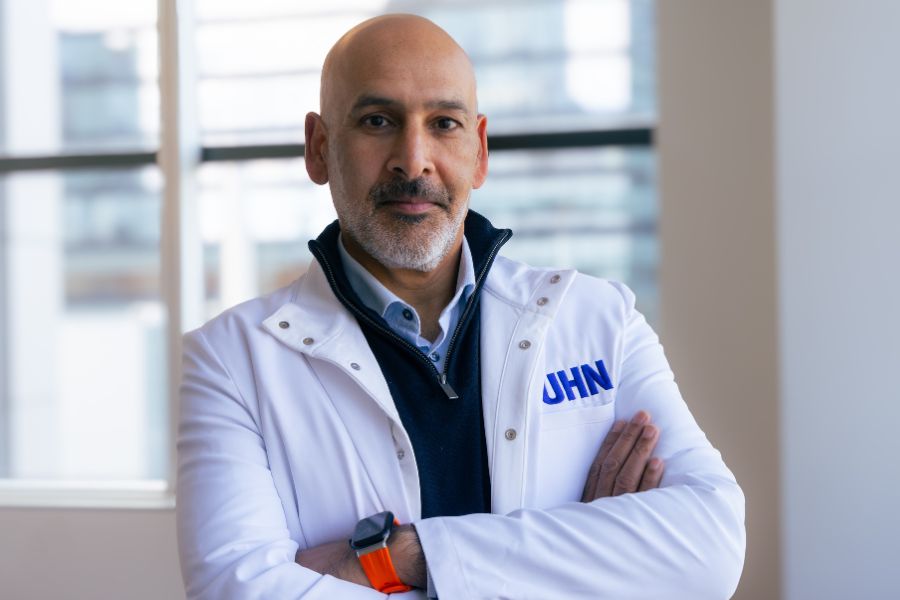
“Our first goal is to better understand how the brain’s circuitry shapes, and is shaped by, our bodies, environments, and experiences,” says Dr. Jaideep Bains, who is Director of the Krembil Research Institute and Interim Senior Director, UHN Research. “By asking these questions across disciplines and populations, we can begin to uncover the mechanisms that connect physical and mental health and identify new pathways to healing and recovery.”
Advancing discovery across disciplines
Researchers from both institutions are working together to map the ongoing conversation between the brain and body. Their work is revealing connections that influence not only thoughts and behaviour, but also immune responses, inflammation, and the progression of diseases such as cancer and diabetes.
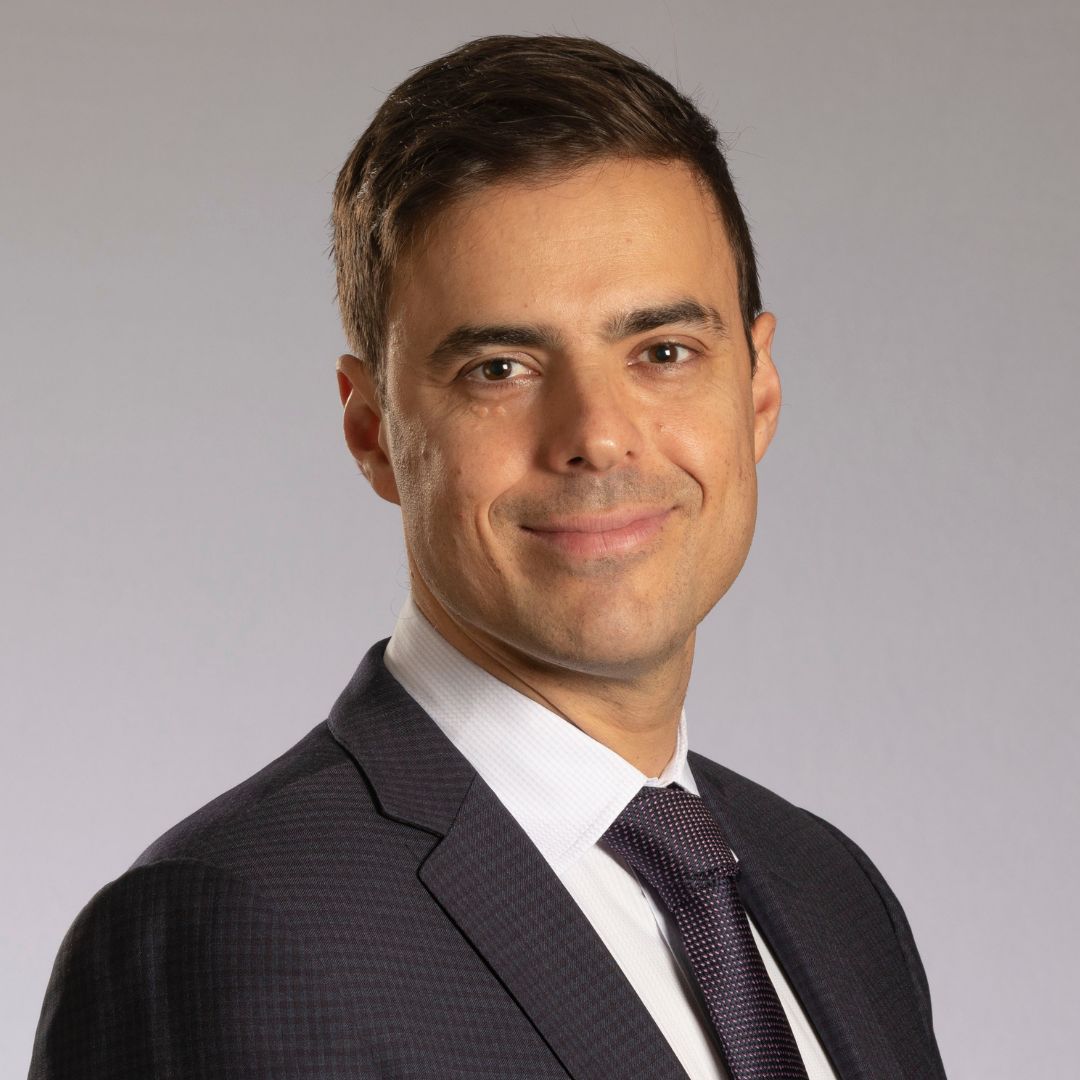
“Together, UHN and CAMH are perfectly positioned to tackle questions like: Why do panic attacks cause shortness of breath? Do tumours grow faster in people with depression? Does childhood trauma negatively affect immune response in adulthood?” says Dr. Aristotle Voineskos, vice president, UHN-CAMH Partnership and senior vice president Research & Science at CAMH.
These discoveries are already opening new possibilities for treatment. Medications originally developed for diabetes are showing promise in treating addiction. Anti-inflammatory therapies are demonstrating antidepressant effects. Ketamine and other anesthetics are helping relieve severe and persistent mood disorders.
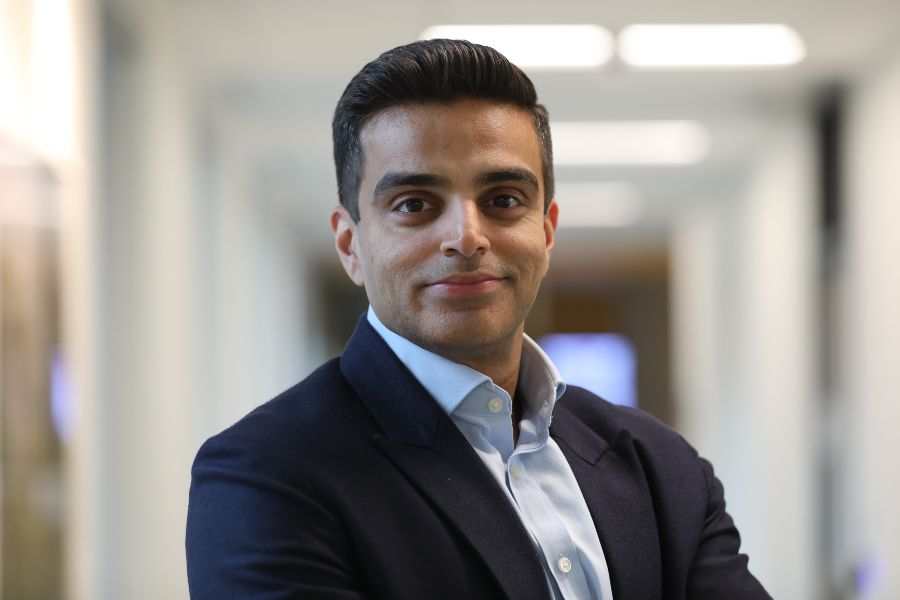
“With deeper insight into the two-way relationship between brain and body, we can develop better interventions,” says Dr. Ishrat Husain, Department Head and Program Medical Director of UHN’s Mental Health Program and Senior Scientist, CAMH. “Through this partnership, we will accelerate discovery in brain health science to bring better care to people living with both physical and mental illness.”
Building the future of brain health
At the heart of this collaboration is a shared commitment to advancing research, training future scientific leaders, and accelerating the path from discovery to patient care.
To support this vision, CAMH Foundation and UHN Foundation are working together to secure philanthropic support for the partnership. A key priority is the creation of the Centre for Integrative Brain Science, located within CAMH’s Temerty Discovery Centre (set to open in late 2027), where researchers from both organizations will work side by side to tackle some of the most complex challenges in health care.
Philanthropic efforts will also support interdisciplinary research teams, innovative technologies, clinical trial infrastructure, and the training of a new generation of scientists equipped to work across traditional boundaries.