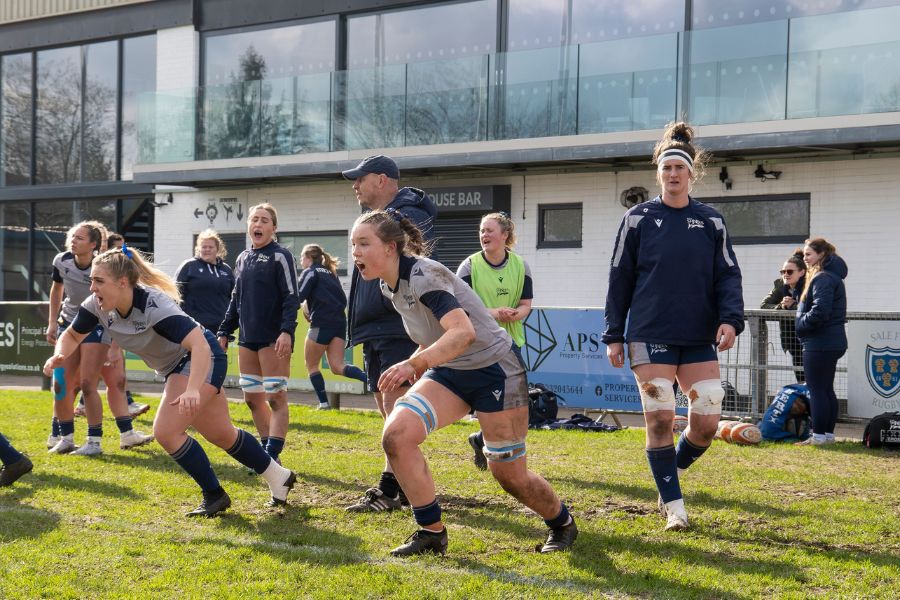
In a split second your life can change – one hit, one fall, one slip. That’s all it takes for a concussion to occur, and for concussion symptoms to follow.
A concussion can be extremely disruptive to someone’s life, as symptoms can last for weeks, months or even years.
The number of Canadians who experience a concussion continues to grow every year. Patients who have experienced a concussion can be referred to the Canadian Concussion Centre (CCC) at University Health Network (UHN) for treatment. Thanks to the generosity of its donors, the CCC is celebrating its 15th year of operation.
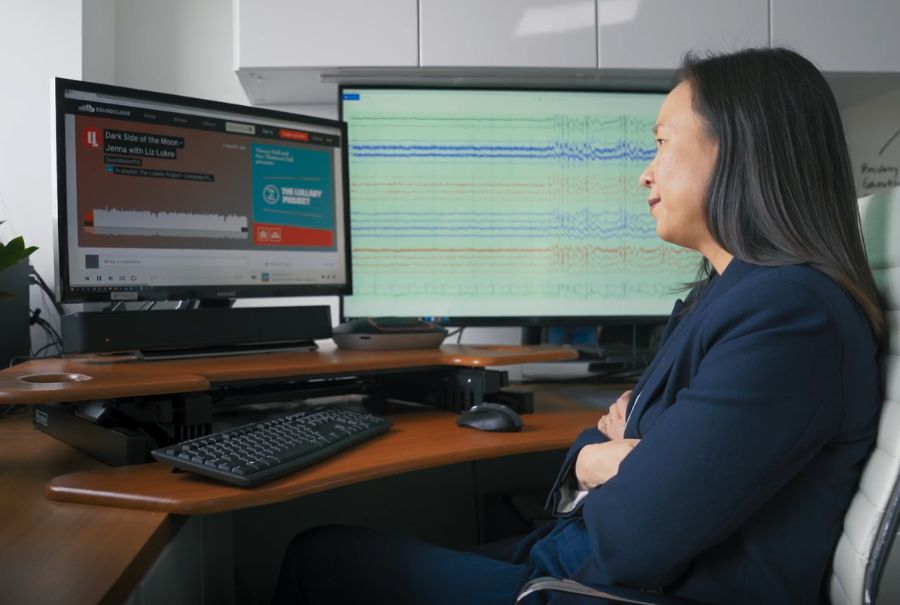
Co-Director of the Canadian Concussion Centre Dr. Carmela Tartaglia and the team at the CCC want to change what happens to patients when they experience a concussion. They want to even try to prevent them before they occur. We’re answering some of the most frequently asked questions about concussions with the help of Dr. Carmela Tartaglia.

1. What is a concussion?
An injury to the brain due to impact to the head or body or a whiplash movement. This can disrupt the normal function of the brain and lead to the development of concussion symptoms.
2. What are the symptoms of a concussion?
Concussion symptoms can be physical, cognitive, and/or psychological.
- Physical: Dizziness, headache, nausea, pressure in the head, trouble with balance, sensitivity to light or noise, blurry vision, change in sleep, low energy
- Cognitive: confusion, trouble concentrating, memory difficulties
- Psychological: Irritable, nervousness or anxiety, low mood
3. How long does a concussion last?
The amount of time it takes to recover from a concussion can be different for each person. Recovery usually takes two weeks for adults and four weeks for children.

4. How do you heal from a concussion?
Work with your doctor or healthcare provider, who will provide a recovery plan. They may also refer you to a concussion specialist.
The new guidelines for concussion recovery suggest a gradual return to activities. Patients should only rest for period of 24-48 hours and can do light activities if their healthcare provider says it’s ok. After that, increasing intensity aerobic (cardio) exercise and light activities is encouraged.
5. What are persisting concussion symptoms (PCS)?
PCS refers to concussion symptoms which persist for an extended period, possibly months or years. It used to be referred to as “post concussion syndrome”, but patients can experience a variety of symptoms which wouldn’t constitute a single condition.
Approximately 25 per cent of people who have a concussion will experience symptoms that last beyond the average recovery time.
6. What resources are available for patients at the CCC?
We have the Managing Persistent Post-Concussion Symptoms Handbook, available on the CCC website.
The team at the CCC also hosts the CCC and the Laborers’ International Union of North America (LiUNA!) Concussion Education Webinar series. Below are links to some of the topics we have covered in this webinar: